
Share this product :
Antimony Trioxide (99.5%) - China
- Origin
- : Japan, China
- CAS Number
- : 1309-64-4
- HS Code
- : 2825.80.00
Basic Info
- IUPAC Name
- : diantimony trioxide
- Molecular Formula
- : Sb2O3
- Molecular Weight (g/mol)
- : 291.5000
- Synonyms & Trade Names
- : Antimony trioxide; Antimony(III) oxide; Flowers of antimony
- Purity / Assay (%)
- : 99.5% min
- Grade / Quality Level
- : Industrial Grade
- Physical Form
- : Solid
- Concentration
- : Pure substance
- Appearance / Color
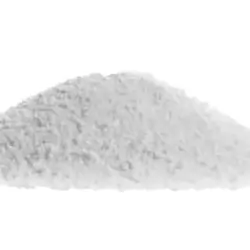
- : White to off-white solid
- Odor
- : Odorless
- Melting Point (°C)
- : 656.0000
- Boiling Point (°C)
- : 1425
- Density (g/cm³)
- : 5.2000
- Solubility in Water
- : Insoluble in water
- Signal Word
- : Warning
- GHS Hazard Class
- : Carcinogen (suspected)
- H-Statements
- : H351
- P-Statements
- : P201|P260|P271|P280|P308+P313
- REACH Status
- : Registered (SVHC assessment)
- Drug Precursor Status
- : Non-precursor
- Storage Class (GHS)
- : 6.1
- Storage Conditions
- : Cool, dry; minimize dust
Categories
Share this product :
Brief Overview
Antimony trioxide, commonly known as ATO, is a commercial compound derived from antimony. Antimony is a metal that occurs naturally in the earth’s crust. ATO is a white, odorless crystalline (sand-like) powder. It is an amphoteric oxide, which can dissolve both in ukraine and acidic solutions. ATO gives antimonites when dissolved in alkaline solution and gives polyantimonous acids when dissolved in acid solution. ATO can easily be oxidized or reduced; it can be oxidized to antimony pentoxide and various other antimony compounds. ATO is toxic, it is presumed to have carcinogenic potential for humans.
ATO is used in a wide variety of industrial applications, mainly as a synergist with flame retardant chemicals and as a catalyst in the manufacture of polyester (PET). The structure of ATO structure alters with the change of the sample temperature. These orthorhombic structures are very stable, existing in nature as mineral valentine.
Manufacturing Process
Antimony oxide can be prepared through two processes: direct and indirect.
Indirect process
In this process, antimony metal or ores is melted in a furnace to give ATO vapors. The vapors are quenched with air and cooled to convert the vapor to white powder. These powders are further filtered to give antimony trioxide powder.
Direct process
In this process, crude antimony oxide is roasted in the presence of air to give ATO vapors. The vapors are then condensed to convert the vapor to white powder. These powders are further filtered to give antimony trioxide powder.