
Share this product :
Dioctyl Adipate (DOA)
- Origin
- : China, Taiwan
- CAS Number
- : 123-79-5
- HS Code
- : 291712
Basic Info
- IUPAC Name
- : dioctyl hexanedioate
- Molecular Formula
- : C22H42O4
- Molecular Weight (g/mol)
- : 370.5700
- Synonyms & Trade Names
- : Dioctyl adipate; DOA; Di-2-ethylhexyl adipate; Bis(2-ethylhexyl) adipate
- Purity / Assay (%)
- : 99% min
- Grade / Quality Level
- : Technical Grade
- Physical Form
- : Liquid
- Concentration
- : Pure substance
- Appearance / Color
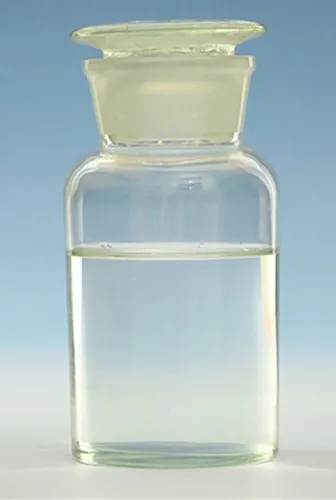
- : Clear to slightly colored liquid
- Odor
- : Almost odorless
- Melting Point (°C)
- : -70.0000
- Boiling Point (°C)
- : 215 (at 5mmHg)
- Density (g/cm³)
- : 0.9280
- Solubility in Water
- : Insoluble in water
- UN Number
- : Not applicable
- H-Statements
- : None
- P-Statements
- : P260
- REACH Status
- : Registered
- Drug Precursor Status
- : Non-precursor
- Storage Class (GHS)
- : 10
- Storage Conditions
- : Cool, dry place
Categories
Share this product :
Brief Overview
Dioctyl adipate (DOA) is a clear, colorless, and odorless liquid organic compound that belongs to the family of adipate esters. It is derived from the reaction of adipic acid with 2-ethylhexanol and is commonly used as a plasticizer in various industrial applications. DOA is known for its low volatility, good electrical properties, and excellent low-temperature flexibility, which makes it a popular choice for applications that require flexibility even at low temperatures. It is also widely used in the food packaging industry, as it is approved by the FDA for use as a food contact material. However, DOA is not without its drawbacks. It has a relatively low resistance to extraction by water, which can limit its use in certain applications. Additionally, it has a limited resistance to high-temperature environments, which can cause it to degrade over time. Despite these limitations, DOA remains a widely used and important industrial chemical.
Manufacturing Process
Esterification: Adipic acid and 2-ethylhexanol are mixed together in the presence of a catalyst such as sulfuric acid. The mixture is heated to around 220-240°C while being stirred continuously. The reaction produces a mixture of esters, including DOA, along with water as a byproduct.
Purification: The mixture is then allowed to cool, and the DOA is separated from the other esters using a distillation column. The DOA is collected as a clear, colorless liquid.
Refining: The DOA is further purified using various refining techniques, such as filtration or centrifugation, to remove any impurities that may be present.