
Share this product :
Formic Acid
- Origin
- : China
- CAS Number
- : 64-18-6
- HS Code
- : 2915.11.00
Basic Info
- IUPAC Name
- : methanoic acid
- Molecular Formula
- : HCOOH
- Molecular Weight (g/mol)
- : 46.0300
- Synonyms & Trade Names
- : Formic acid; Methanoic acid; Hydrogen carboxylic acid
- Purity / Assay (%)
- : 85% min
- Physical Form
- : Liquid
- Concentration
- : Pure substance
- Appearance / Color
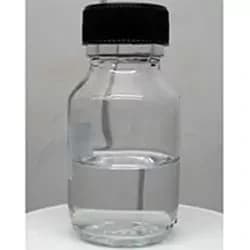
- : Clear to slightly colored liquid
- Odor
- : Pungent acid
- Melting Point (°C)
- : 8.0000
- Boiling Point (°C)
- : 101
- Density (g/cm³)
- : 1.2200
- Solubility in Water
- : Miscible
- Signal Word
- : Danger
- UN Number
- : 1779
- GHS Hazard Class
- : Flammable; Acute toxic; Skin corrosive; Eye corrosive
- H-Statements
- : H226|H302|H312|H314|H332
- P-Statements
- : P210|P260|P264|P271|P273|P280|P301+P330+P331
- REACH Status
- : Registered
- Drug Precursor Status
- : Non-precursor
- Storage Class (GHS)
- : 8
- Storage Conditions
- : Cool, dry; away from oxidizers, bases
Share this product :
About Formic Acid (HCOOH)
Formic acid is the simplest carboxylic acid. It has a pungent and penetrating odor at room temperature. It is also miscible with water and most polar organic solvents but immiscible in non-polar solvents.
Formic acid can be found in the venom of bees and ants. It can undergo a series of organic reactions to form other relevant organic compounds, such as with alcohol to form esters, reduction to form aldehydes, decomposition to form carbon dioxide and water, and reaction with sulfuric acid to yield carbon monoxide. Tradeasia International is ready to be your formic acid supplier. We have spent over two decades as a chemical distributor company. Always thrive to deliver a seamless supply chain experience and the best service to our customers.
Manufacturing Process
Hydrolysis of Methyl Formate
Formic acid can be manufactured with the reaction of methanol and carbon monoxide, in the presence of a strong base such as sodium methoxide. The methyl formate formed is then hydrolyzed to yield formic acid and regenerate methanol. With the regeneration of methanol, only a catalytic amount of methanol is required for the whole manufacturing process.
CH3OH + CO → HCO2CH3
HCO2CH3 + H2O → HCO2H + CH3OH
By-Product of Acetic Acid Production
Formic acid is also a by-product of the manufacturing of acetic acid. When acetic acid is manufactured via the acetaldehyde oxidation method, butane is oxidized, and ethylene is hydrated via the Wacker process to obtain acetaldehyde. Further oxidation of acetaldehyde yields acetic acid, with a significant amount of formic acid as a by-product.
Hydrogenation
Formic acid can also be formed from the hydrogenation of carbon dioxide or by heating oxalic acid in glycerol catalyst and extraction by steam distillation. Alternatively, oxidation of biomass such as sugars, wood, and waste paper can yield formic acid and carbon dioxide.