
Share this product :
L-Threonine
- Origin
- : China
- HS Code
- : 2922.50.90
Basic Info
- Physical State
- : Solid
- Appearance / Color
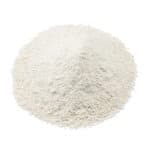
- : White crystalline powder
- Odor
- : Characteristic
- Moisture Content (%)
- : <0.5%
- pH
- : 5.0-7.0
- Synonyms & Trade Names
- : L-Threonine; (2S,3R)-2-amino-3-hydroxybutanoic acid
- Total Plate Count (TPC)
- : <50,000 CFU/g
- Yeast & Mould
- : <500 CFU/g
- E. Coli
- : Negative/25g
- Salmonella
- : Negative/25g
- Shelf Life
- : 24 months
- Packaging Size
- : 25 kg
- Packaging Type
- : PP woven bag
- Storage Conditions
- : Cool, dry place
- Halal Certification
- : Available
- Kosher Certification
- : Available
- ISO / HACCP
- : Yes
- Food Grade / Regulatory Status
- : Feed grade
- Crude Protein (%, min)
- : ~68%
- Total Volatile Basic Nitrogen (TVN/TVBN, mg/100g)
- : Not applicable
- Active Ingredient Assay (%)
- : 98.5% min
- Antioxidant Treatment
- : None
- Species of Origin Declaration
- : N/A (fermentation)
- EU Feed Additive Authorization No.
- : E921
- Aflatoxin B1
- : Not applicable
- Heavy Metals — Feed (As, Pb, Hg, Cd)
- : Compliant
Categories
Share this product :
Brief Overview
Threonine is an amino acid with the chemical formula of C4H9NO3 and is used in the biosynthesis of proteins. It contains an α-amino group, a carboxyl group, and a side chain containing a hydroxyl group, making it a polar, uncharged amino acid. Threonine is synthesized from aspartate in bacteria such as E. coli.
Manufacturing Process
Threonine is an important amino acid which is used in animal feeds and medicines. One process which is known for its production is a fermentation method. In this technique a mutant of the genus Brevibacterium having resistance to bacterial α-amino-β-hydroxyvaleric acid (hereinafter referred to as AHV) which is a threonine analog is cultured. This process employs as an AHV-resistant mutant, a strain having homoserine dehydrogenase (hereinafter referred to as HD) in which feedback inhibition due to threonine has been removed. The yield of threonin produced by this process is low, and therefore, it is not an economical method for the production of threonine which is added to animal feeds. Accordingly, in order to enhance the yield of threonine, a mutant which is frequently used is one which is a lysine-producing strain. However, in this case, lysine is frequently produced as a by-product, which adversely affects the yield of threonine. Further, the separation of lysine from the medium is a complicating factor. A need therefore continues to exist for a method of producing threonine in improved yields by a fermentation technique.