
Share this product :
Sodium Formate
- CAS Number
- : 141-53-7
- HS Code
- : 2915.12.00
Basic Info
- IUPAC Name
- : sodium formate
- Molecular Formula
- : CHNaO2
- Molecular Weight (g/mol)
- : 68.0100
- Synonyms & Trade Names
- : Sodium formate; Formic acid sodium salt; Mravencian sodny
- Purity / Assay (%)
- : 99.5% min
- Grade / Quality Level
- : Technical Grade
- Physical Form
- : Solid
- Concentration
- : Pure substance
- Appearance / Color
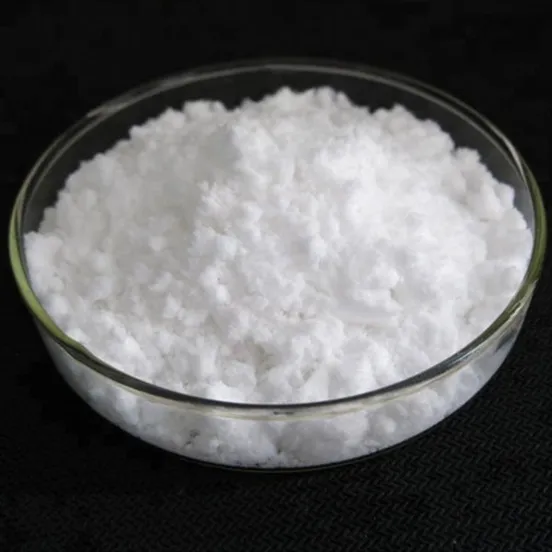
- : White to off-white solid
- Odor
- : Odorless
- Melting Point (°C)
- : 253.0000
- Density (g/cm³)
- : 1.9200
- Solubility in Water
- : Freely soluble
- UN Number
- : Not applicable
- H-Statements
- : None
- P-Statements
- : P260
- REACH Status
- : Registered
- Drug Precursor Status
- : Non-precursor
- Storage Class (GHS)
- : 13
- Storage Conditions
- : Cool, dry place; keep sealed
Categories
Share this product :
Brief Overview
Sodium formate HCOONa, also known as sodium methanoate, is the sodium salt of formic acid. It is a white, water-soluble crystalline powder with hygroscopic properties. Sodium formate is widely used in various industries, including leather tanning, oil drilling, de-icing, and as a reducing agent in chemical processes. In the leather industry, it is commonly used to reduce hexavalent chromium (Crâ¶âº) to trivalent chromium (Cr³âº), making it safer for environmental discharge.
Manufacturing Process
Method 1: Reaction of Formic Acid with Sodium Hydroxide
Sodium formate is typically produced by neutralizing formic acid (HCOOH) with sodium hydroxide (NaOH) or sodium carbonate (Na₂CO₃):
HCOOH + NaOH → HCOONa + Hâ‚‚O
HCOOH + Naâ‚‚CO₃ → 2HCOONa + COâ‚‚ + Hâ‚‚O
This method results in high-purity sodium formate and is widely used in commercial production.
Method 2: By-Product of Pentaerythritol Production*
Sodium formate is also obtained as a by-product in the manufacturing of pentaerythritol, a key ingredient in alkyd resins and explosives. The process involves reacting formaldehyde with sodium hydroxid in the presence of excess methanol, yielding sodium formate as a secondary product.