
Share this product :
Sodium Hydrosulphite (90%) - China
- CAS Number
- : 7775-14-6
- HS Code
- : 2831.10.00
Basic Info
- IUPAC Name
- : disodium dithionite
- Molecular Formula
- : Na2S2O4
- Molecular Weight (g/mol)
- : 174.1000
- Synonyms & Trade Names
- : Sodium hydrosulphite; Sodium dithionite; Sodium hyposulfite; Sodium sulfoxylate
- Purity / Assay (%)
- : 90% min
- Physical Form
- : Solid
- Concentration
- : Pure substance
- Appearance / Color
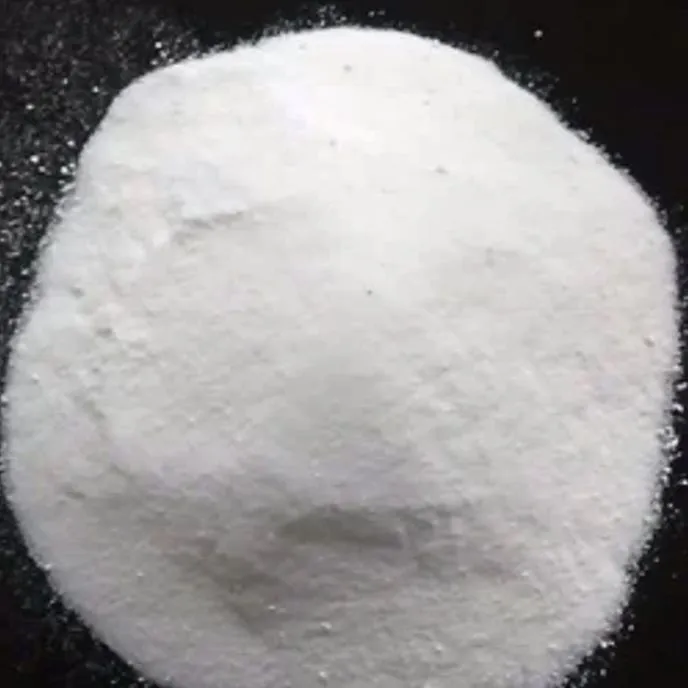
- : White to off-white solid
- Odor
- : Sulfur-like
- Density (g/cm³)
- : 2.2400
- Solubility in Water
- : Freely soluble
- Signal Word
- : Danger
- UN Number
- : 1384
- GHS Hazard Class
- : Flammable; Acute toxic; Aquatic hazard
- H-Statements
- : H228|H290|H302|H311|H331|H400|H410
- P-Statements
- : P210|P234|P260|P271|P273|P280|P301+P312
- REACH Status
- : Registered
- Drug Precursor Status
- : Non-precursor
- Storage Class (GHS)
- : 4.2
- Storage Conditions
- : Cool, dry; away from moisture and oxidizers
Categories
Share this product :
Brief Overview
Sodium hydrosulphite, also known as sodium dithionite, is a white crystalline powder with the chemical formula Naâ‚‚Sâ‚‚Oâ‚„. It is a powerful reducing agent with a pungent sulfur-like odor and is soluble in water but unstable in acidic or moist environments. Sodium hydrosulphite is available in various commercial grades, typically distinguished by their purity levels — commonly 90% and 88%. The compound is widely used in textile processing, water treatment, paper manufacturing, and chemical synthesis.
Manufacturing Process.
Sodium hydrosulphite is typically produced through two main industrial processes:Zinc Process: Sodium bisulfite is reduced using zinc dust in the presence of sodium hydroxide to form sodium hydrosulphite. This process is known for producing high-purity material.Formate Process: Sodium formate is used as the reducing agent, in a reaction with sodium bisulfite and formaldehyde under controlled conditions. This method is considered more environmentally friendly and is commonly used in modern production.The final product is filtered, crystallized, and dried to meet desired purity levels such as 90% and 88%.