
Share this product :
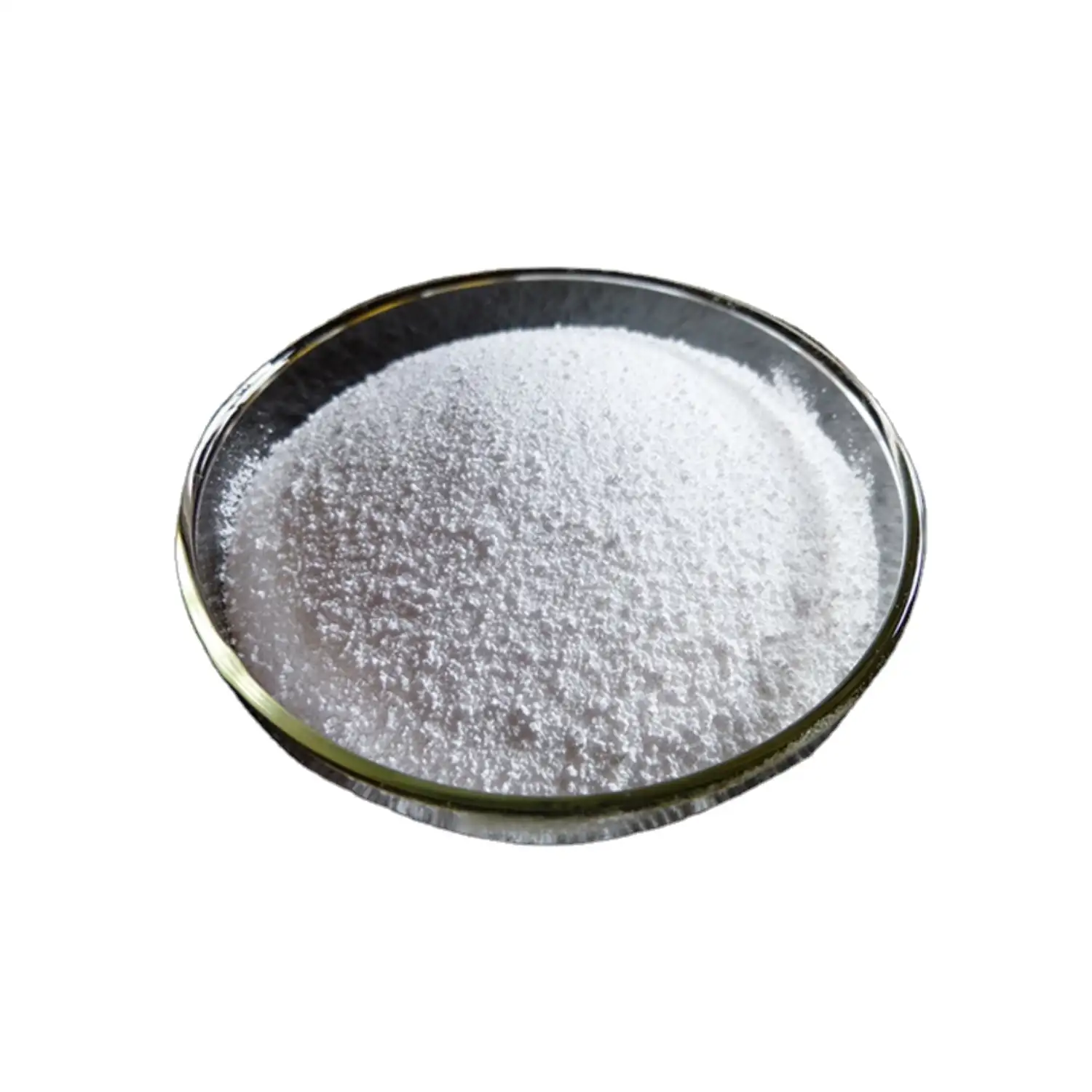
Sodium Tripolyphosphate
- Origin
- : China
- CAS Number
- : 7758-29-4
- HS Code
- : 2835.31.10
Basic Info
- IUPAC Name
- : pentasodium triphosphate
- Molecular Formula
- : Na5P3O10
- Molecular Weight (g/mol)
- : 367.8600
- Synonyms & Trade Names
- : Sodium tripolyphosphate; STPP; Pentasodium triphosphate; E451
- Purity / Assay (%)
- : 94% min
- Physical Form
- : Solid
- Concentration
- : Pure substance
- Appearance / Color
- : White to off-white solid
- Odor
- : Odorless
- Melting Point (°C)
- : 622.0000
- Density (g/cm³)
- : 2.5200
- Solubility in Water
- : Freely soluble (14.5g/100mL)
- Signal Word
- : Warning
- GHS Hazard Class
- : Eye irritant
- H-Statements
- : H319
- P-Statements
- : P264|P280|P305+P351+P338
- REACH Status
- : Registered
- Drug Precursor Status
- : Non-precursor
- Storage Class (GHS)
- : 13
- Storage Conditions
- : Cool, dry; sealed; hygroscopic
Categories
Share this product :
About Sodium Tripolyphosphate
Sodium Tripolyphosphate (STPP) appears as powder or granular, melting point at 622 °C, easily soluble in water, with remarkable chelating ability to some metal ions such as Ca2+, Mg2+ ,can soften hard water, change suspension into solution, alkalescent, without causticity.
Manufacturing Process
STPP has been generally made by a process that includes the steps:
Reacting a sodium compound such as soda ash (Na2CO3) or caustic (NaOH) with either wet-process phosphoric acid or furnace-process phosphoric acid to form a reaction mixture containing monosodium phosphate (NaH2PO4) and disodium phosphate (Na4HPO4).
Precipitating and, after that removing insoluble impurities from the reaction mixture.
Heating the reaction mixture at elevated temperatures for sufficient time to thermally decompose or calcinate the two phosphates named above compounds into STPP (Na5P3O10) and to simultaneously remove water from the reaction mixture by volatilization.