
Share this product :
Valine
- Origin
- : Germany
- CAS Number
- : 72-18-4
- HS Code
- : 292242
Basic Info
- IUPAC Name
- : (R)-2-amino-3-methylbutanoic acid
- Molecular Formula
- : C5H11NO2
- Molecular Weight (g/mol)
- : 117.1500
- Synonyms & Trade Names
- : L-Valine; Valine; (S)-2-Aminopentanedioic acid; L-(+)-Valine
- Purity / Assay (%)
- : 98% min
- Physical Form
- : Solid
- Concentration
- : Pure substance
- Appearance / Color
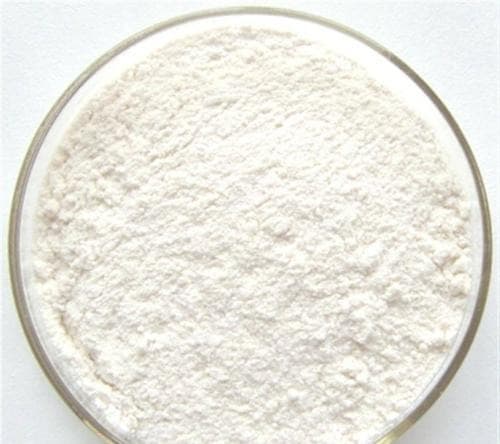
- : White to off-white solid
- Odor
- : Odorless
- Melting Point (°C)
- : 298.0000
- Boiling Point (°C)
- : 298
- Density (g/cm³)
- : 1.2300
- Solubility in Water
- : Freely soluble
- UN Number
- : Not applicable
- H-Statements
- : None
- P-Statements
- : P260
- REACH Status
- : Registered
- Drug Precursor Status
- : Non-precursor
- Storage Class (GHS)
- : 13
- Storage Conditions
- : Cool, dry place
Categories
Share this product :
Brief Overview
Valine is an α-amino acid that is used in the biosynthesis of proteins. It contains an α-amino group, an α-carboxylic acid group, and a side chain isopropyl group, making it a non-polar aliphatic amino acid. It is essential in animals, meaning the body cannot synthesize it: it must be obtained from the diet. Valine is one of the branched amino acids along with leucine and isoleucine. Valine is an essential nutrient for poultry and swine. Valine can reduce crude protein in animal diets.
Manufacturing Process
A method of producing L-valine by fermentation which comprises culturing in a culture medium an L-valine-producing microorganism selected from the group consisting of Escherichia coli NRRL B-12287 and Escherichia coli NRRL B-12288 which is obtained by incorporation into a recipient strain of the genus Escherichia, of a hybrid plasmid having inserted therein a DNA fragment with genetic information related to L-valine production which fragment is derived from a donor strain of the genus Escherichia which is resistant to a valine analogue, and recovering the L-valine accumulated in the culture medium.